
Tour of Taranto
Explore Taranto with Magnificent Train
Video del tour · YouTube
Per visualizzare questo contenuto, autorizza i contenuti esterni nelle preferenze cookie.
3D INTERACTIVE MAP: Below is the route we will take with various stops!
Mappa del tour · Google Maps
Per visualizzare questo contenuto, autorizza i contenuti esterni nelle preferenze cookie.
TIP: It is recommended to use additional audio for a more immersive experience!
Welcome on board the Tourist Train of Taranto!
Capital of the Apulian province with the same name, Taranto faces the homonymous Gulf in the Ionian Sea and is labelled as "the City of the two seas" since it is washed by the Big Sea and the Little Sea. Founded by Spartans in 706 BC, it became one of the most active poles in Magna Graecia. Over the centuries, Taranto took on a strategic importance serving as one the most crucial harbors in the Mediterranean. The city is divided in three parts: the ancient village or the old city, which is located on an island and, on a side, connected to the industrial quarter by the "Stone Bridge", whilst on the other side, is connected to the "Umbertino quarter" by the "Ponte Girevole" (the swing bridge).
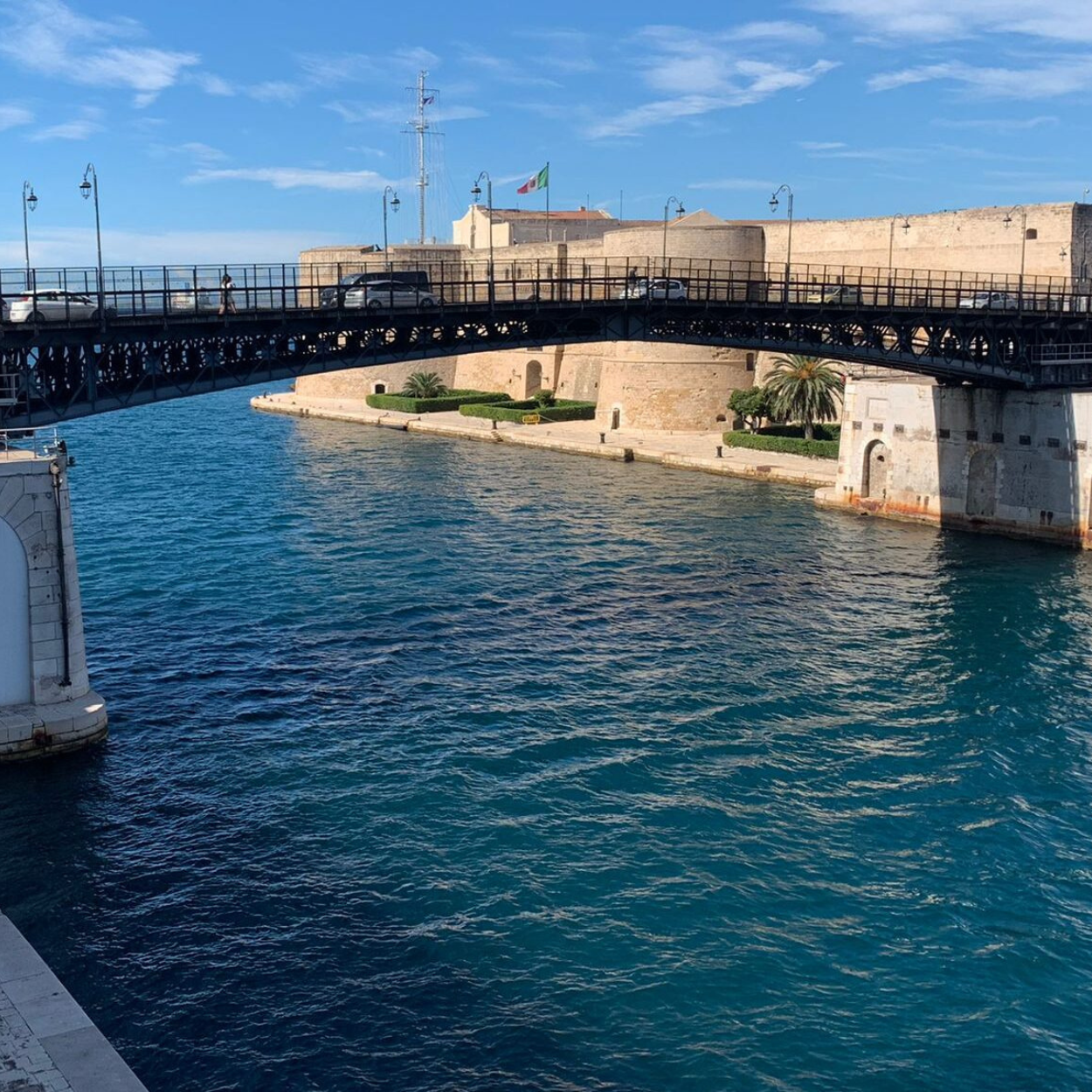
1. Ponte Girevole of San Francesco di Paola
The bridge that we are crossing is known as the "Ponte Girevole" (the swing bridge), because when a water vessel needs to pass the bridge, road traffic is stopped and then motors rotate the bridge horizontally about its pivot point. It connects the island of the Old Village to the New Village Peninsula. Inaugurated on 22nd May 1887, the bridge looms a waterway 375 meters long, 73 meters large and 12 meters deep along its axis that links the Big Sea to the Little Sea. At the beginning, the bridge worked through the use of hydraulic turbines powered by a great tank; following the modernization made between 1957 and 1958, it was introduced an electrical functioning. This bridge represents the main symbol of the City of Taranto and can be considered a remarkable naval engineering work for its singularity.
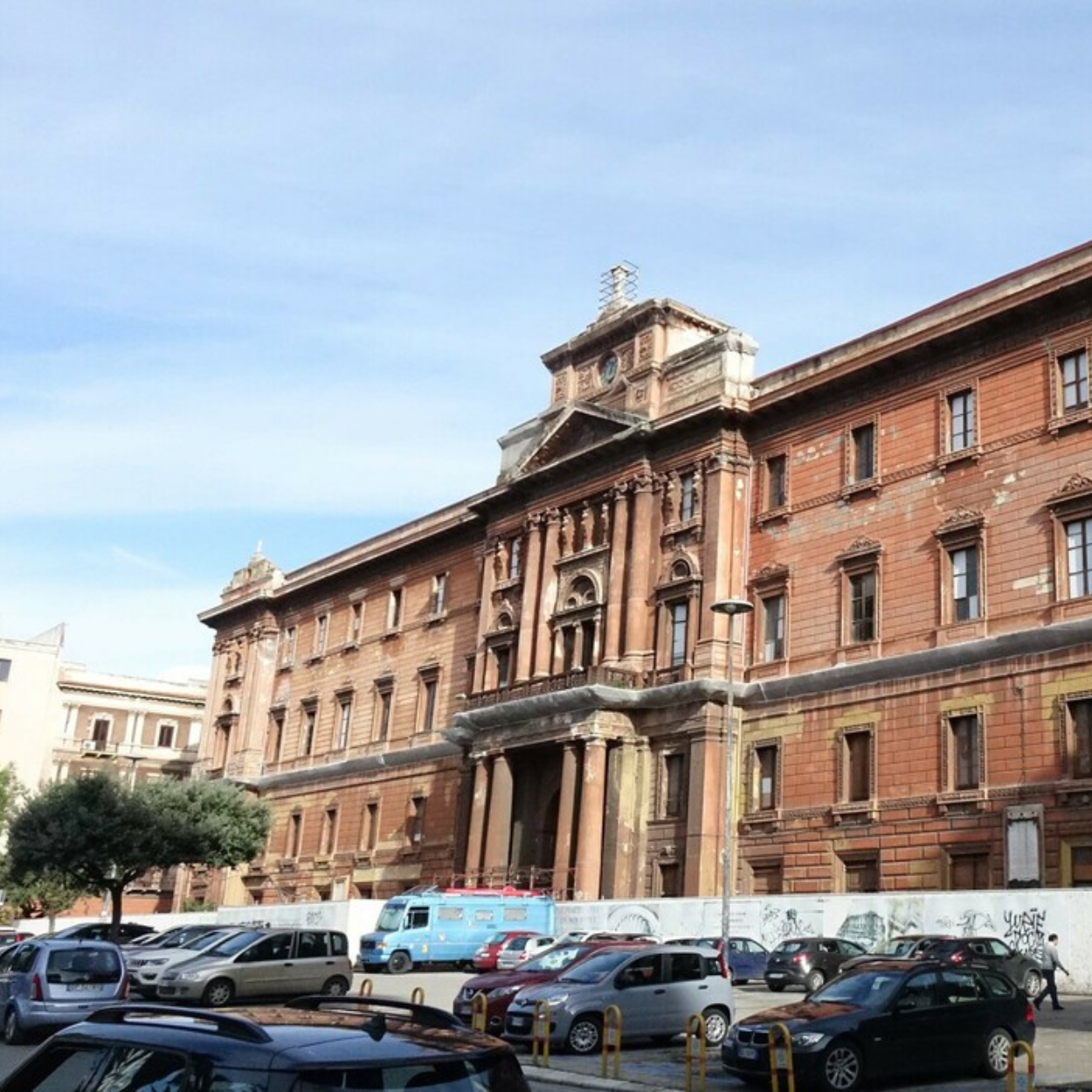
2. Archita Palace
While we cross the Ponte Girevole again, it is impossible not to observe the majestic Palace in front of us: it is considered the Archita Palace or Office Building. The main prospect, in line with the bridge, is characterized by perfect symmetries and the search of balance. It is made even more scenic by its wide Doric trabeation, by the row of windows and by the tympanum with its mechanical clock. Indeed, its sober architectural style, proportionated with the neoclassical taste, became the inspirational model for many other buildings which were being constructed in the same period. The Palace was built by the Royal decree of King Ferdinand of Bourbon to host the city's orphans and it currently houses the Archita High School where Aldo Moro studied, one of the most famous politicians in Italian history.
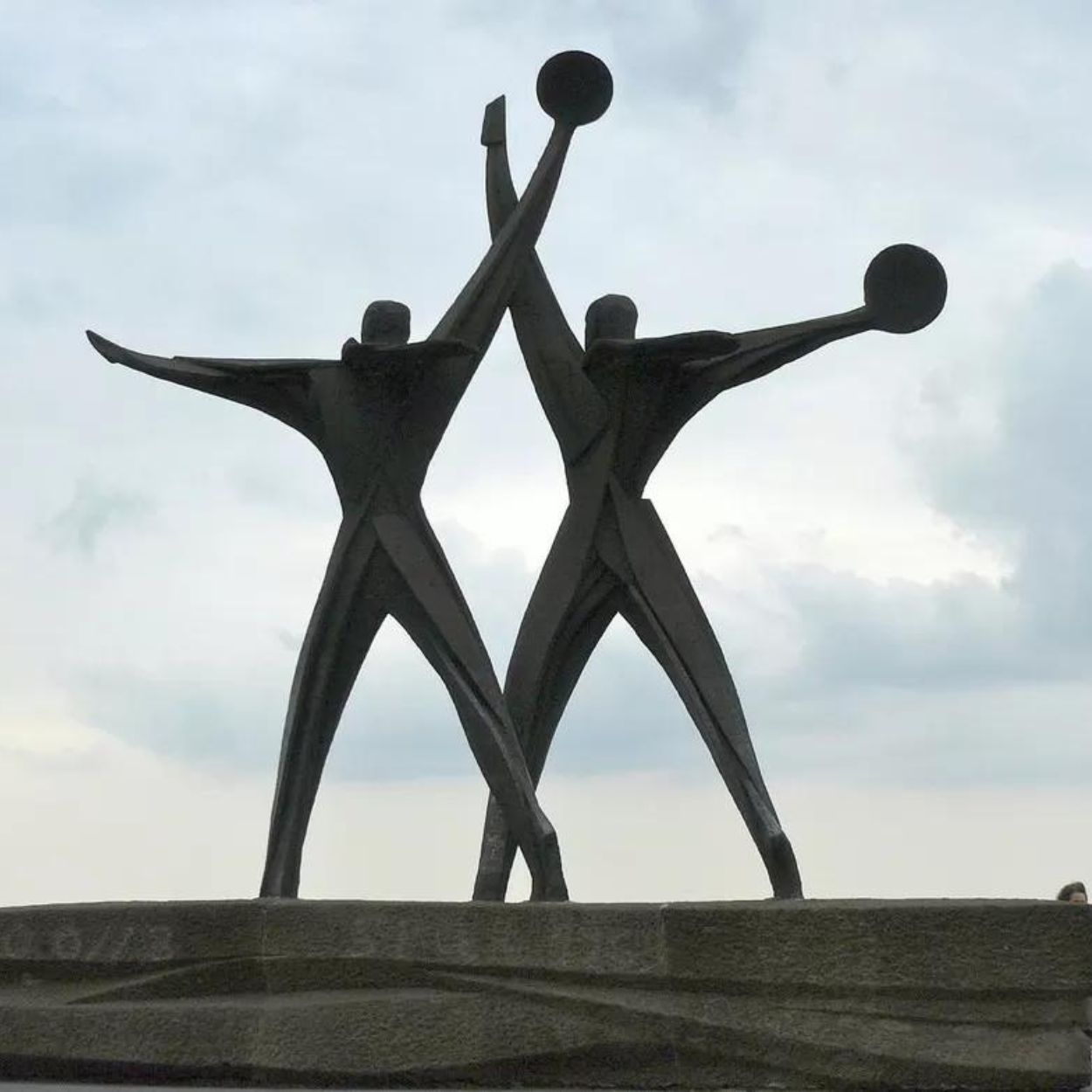
3. Monument to the Sailor
Turning to the right, we can see the Monument to the Sailor, one of the monuments of the New Village of the city. It is dedicated to the sailors of the Italian Military Navy and it was made by the sculptor Vittorio di Cobeltardo in 1974, who chose bronze as the material. It was donated to the city that was the scene of the famous "Notte di Taranto" (Night of Taranto). The sculpture, that is about 7 meters tall and stands on a pedestal, depicts two sailors while they are greeting all the ships that are about to cross the waterway that connects the Big Sea to the Little Sea, by raising the typical hat with their right hand.
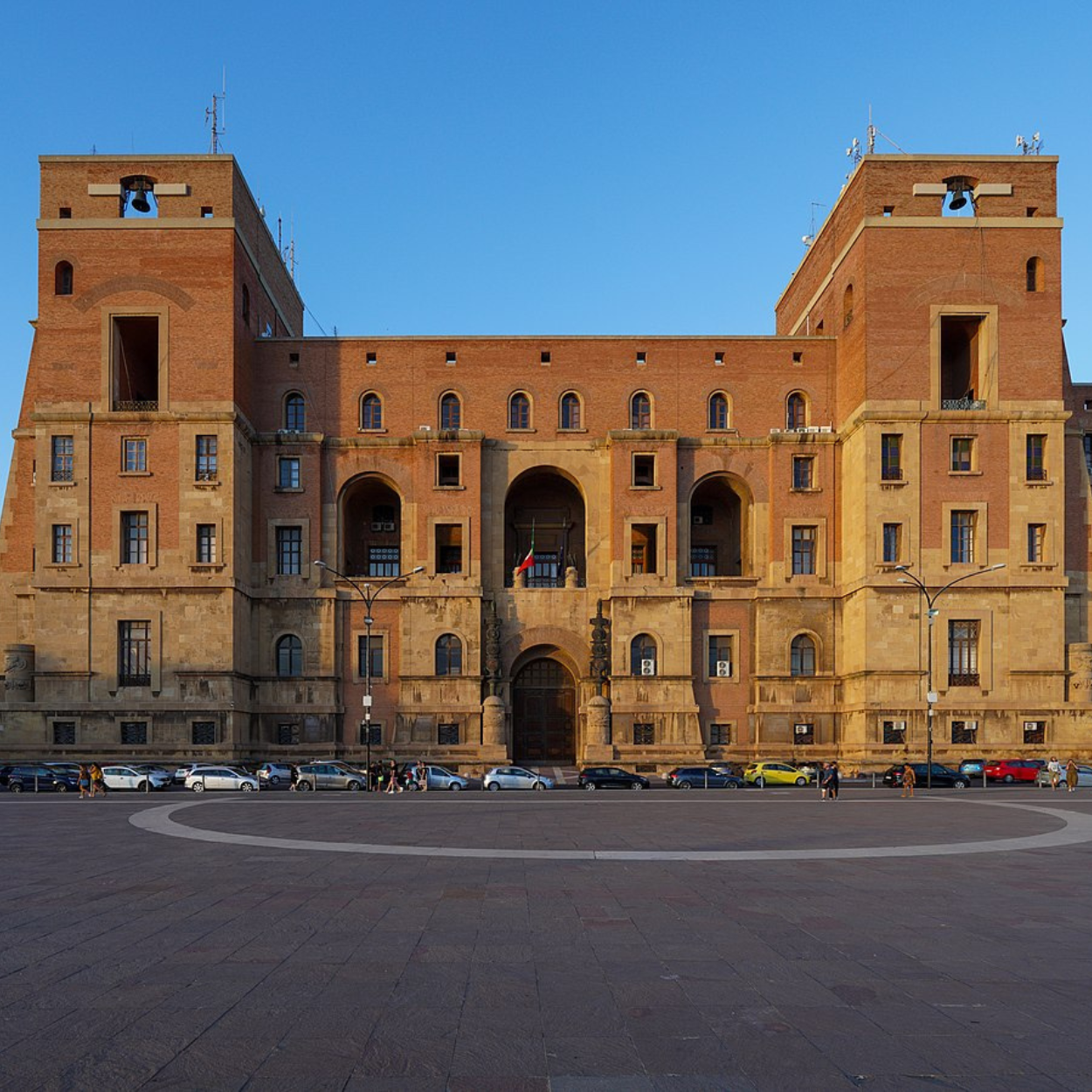
4. Government Palace
On the left we can see the Government Palace, 52 meters tall. It was built on the ruins of a theatre and it is made of golden beige pietra carparo. It was inaugurated on 7th September 1934 by Benito Mussolini, in front of the citizens that crowded the opposite roundabout. On the exterior, the Palace takes on the mighty shapes of an ideal fortified Roman castrum, adapted to the new grandiloquent and propagandistic guise, typical of the dictatorial regime. In fact, on the façade there is a balcony with two eagles made of bronze which stand on cylindric pedestals; at the sides of the principal entrance there are some reliefs portraying armed naked figures.
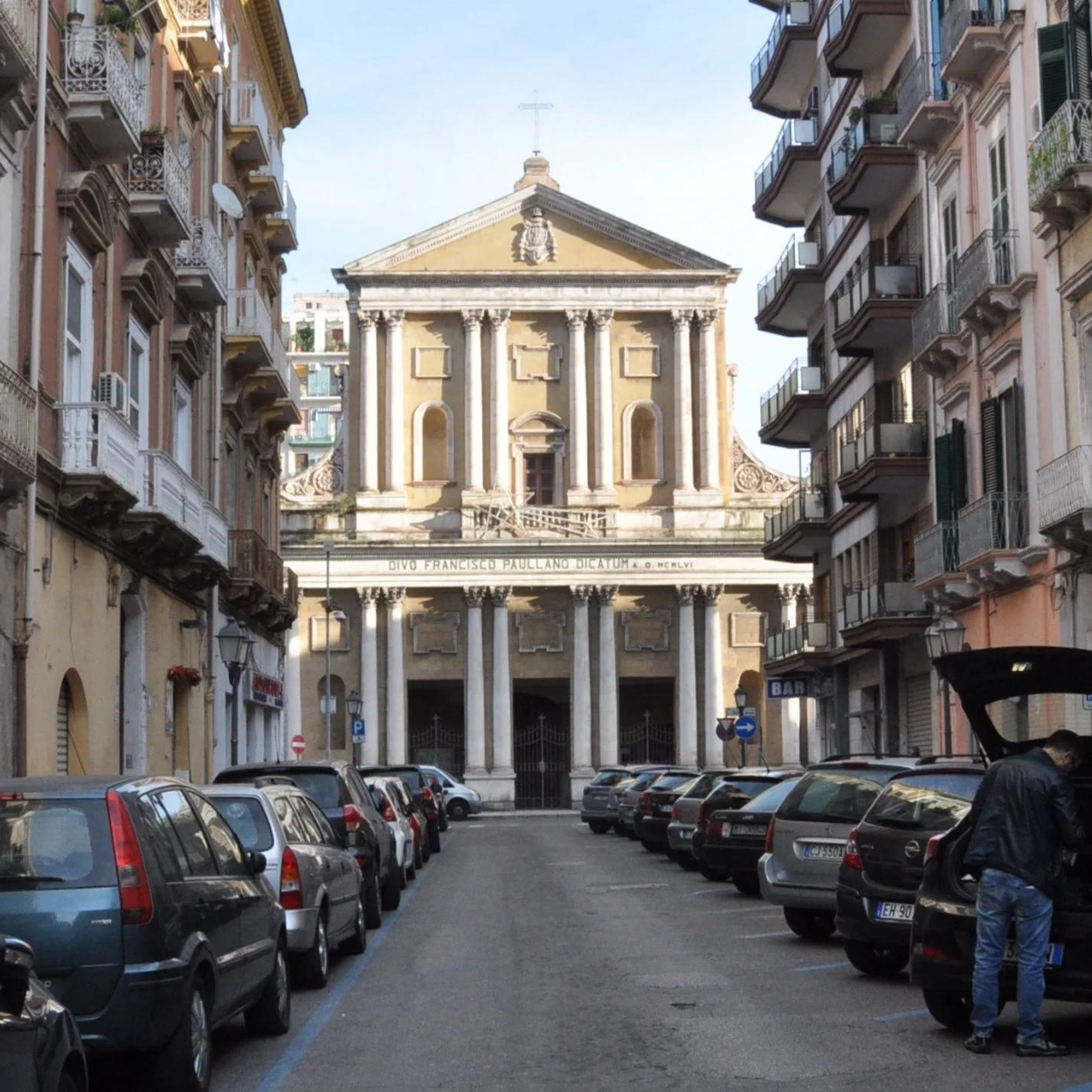
5. San Francesco di Paola Church
Before us, rises the San Francesco di Paola Church, in the rococo style, whose construction started in 1623 by the will of the friar Ludovico Montefuscoli. Affected by the terrible earthquake of 1743, the façade was rebuilt various times, the last one in 1956. The church is now place of pilgrimage for the devotees of Saint Francis and is primarily known for offering hospitality during the pause of the Sacred Mysteries procession over the Holy Week.
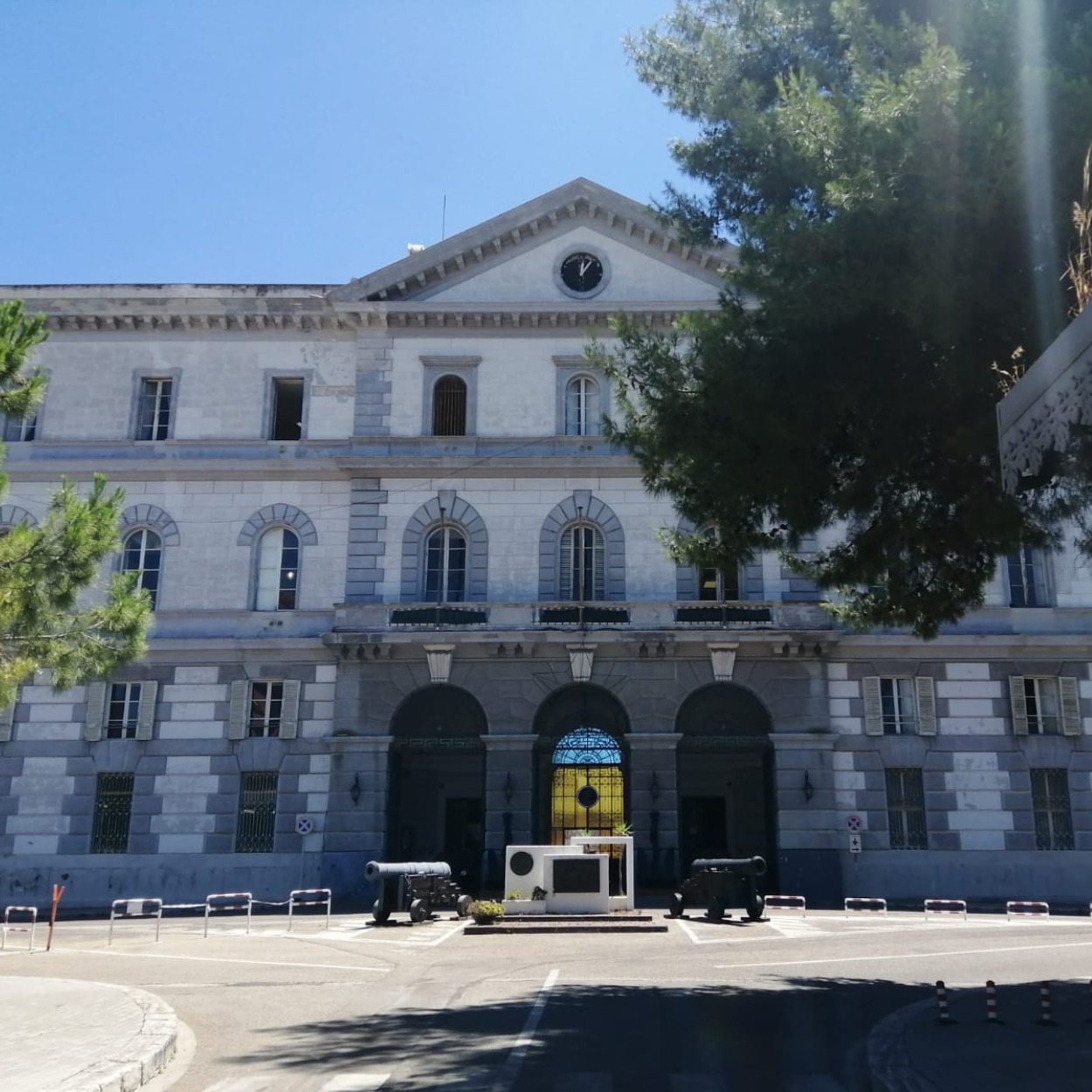
6. Naval Arsenal
Beyond the gate, we find Taranto's Naval Arsenal, one of the three active arsenals of the Italian Navy. It covers about 90 hectares and faces the Little Sea. Through the gate we can see the main building, in the Umbertino neoclassical style, in which the "Mostra Storica Arsenale" (Arsenal Historical Exhibition) is set up, a permanent exhibition inaugurated in 1979 and open to visitors from Monday to Friday by appointment. The Naval Arsenal was constructed in June 1882 by the will of the Italian Parliament. Works began in September 1883 and ended six years later. The Naval Arsenal was inaugurated on 21st August 1889 to the presence of Umberto I of Italy.
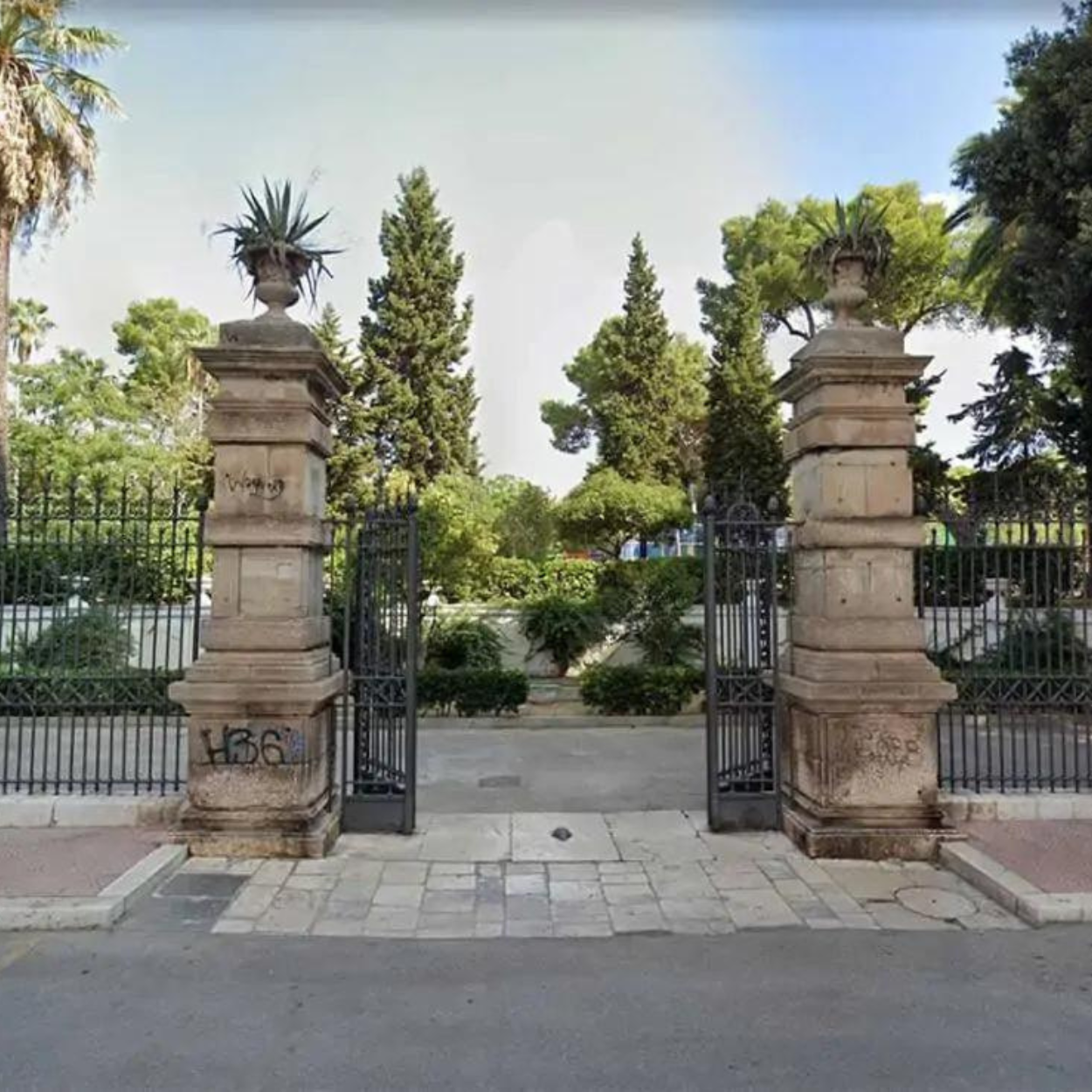
7. Villa Peripato
On our right we find the Giardini Peripato, one of the most important parks of the city. It covers an area of about 5 hectares located in the Umbertino Village, near the Little Sea. The name is a reference to the Aristotle's school (from the Greek perìpatos) of which the Taranto's scientist and politician Archita was an important representative. Originally property of the Beaumont's family, in 1913 the Giardini Peripato went into the hands of the Municipality of Taranto in order to create municipal gardens. Villa Peripato is also an important archeological site as it guards inside the ruins of housing facilities dating back the early imperial age.
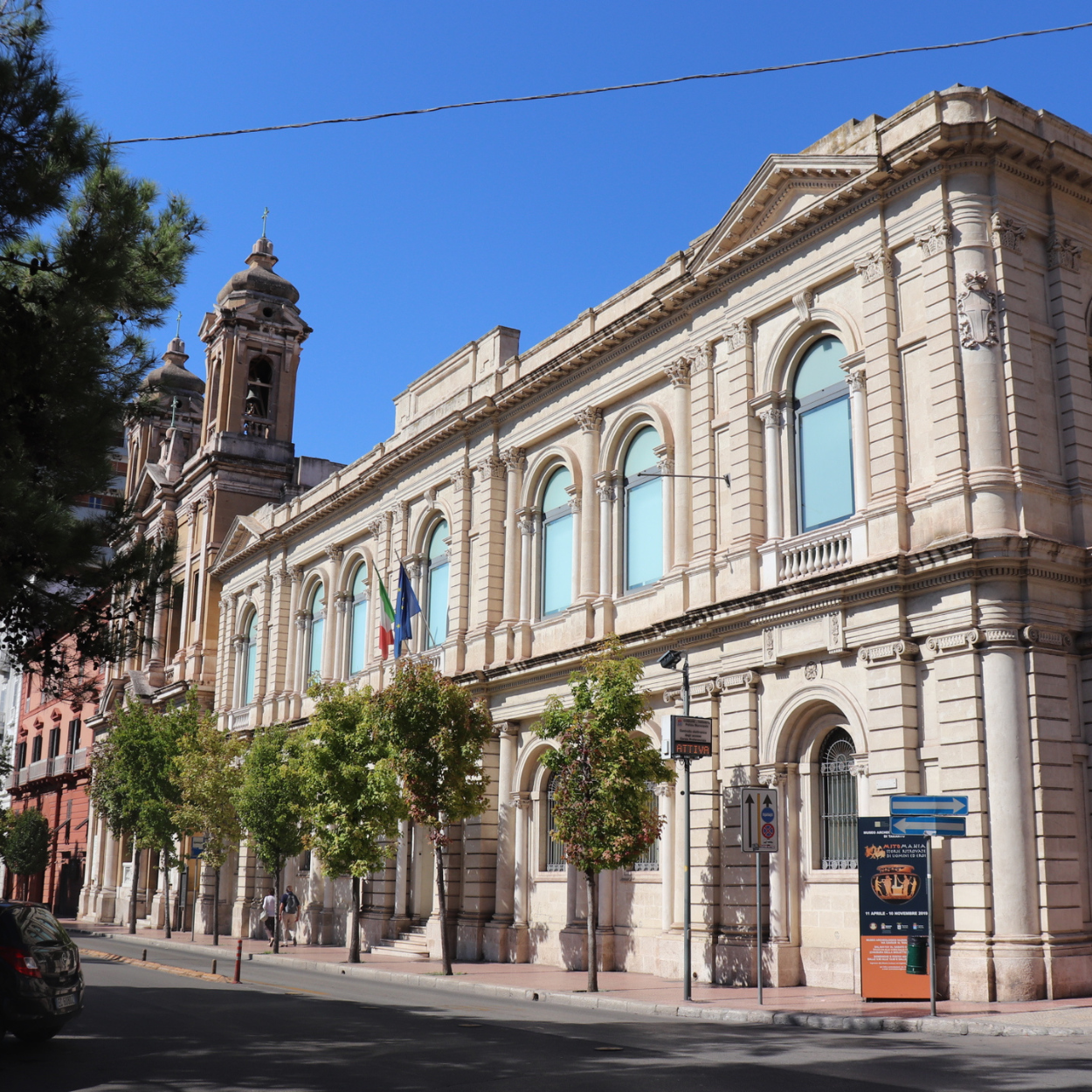
8. National Archeological Museum
Always on the right, there is the National Archeological Museum of Taranto, founded in 1887 and currently one of the most important archeological museums worldwide: inside it is exhibited one among the most valuable collections of artifacts of the time of Magna Graecia, as the famous "Ori di Taranto", a museum collection of jewels including rings, earrings, bracelets and precious jewelry of the Hellenistic and Roman period. The museum consists of ten rooms on the first floor and fifteen rooms on the second floor. The museum is open to visitors from Tuesday to Sunday, from 8.30 am until 7.30 pm.
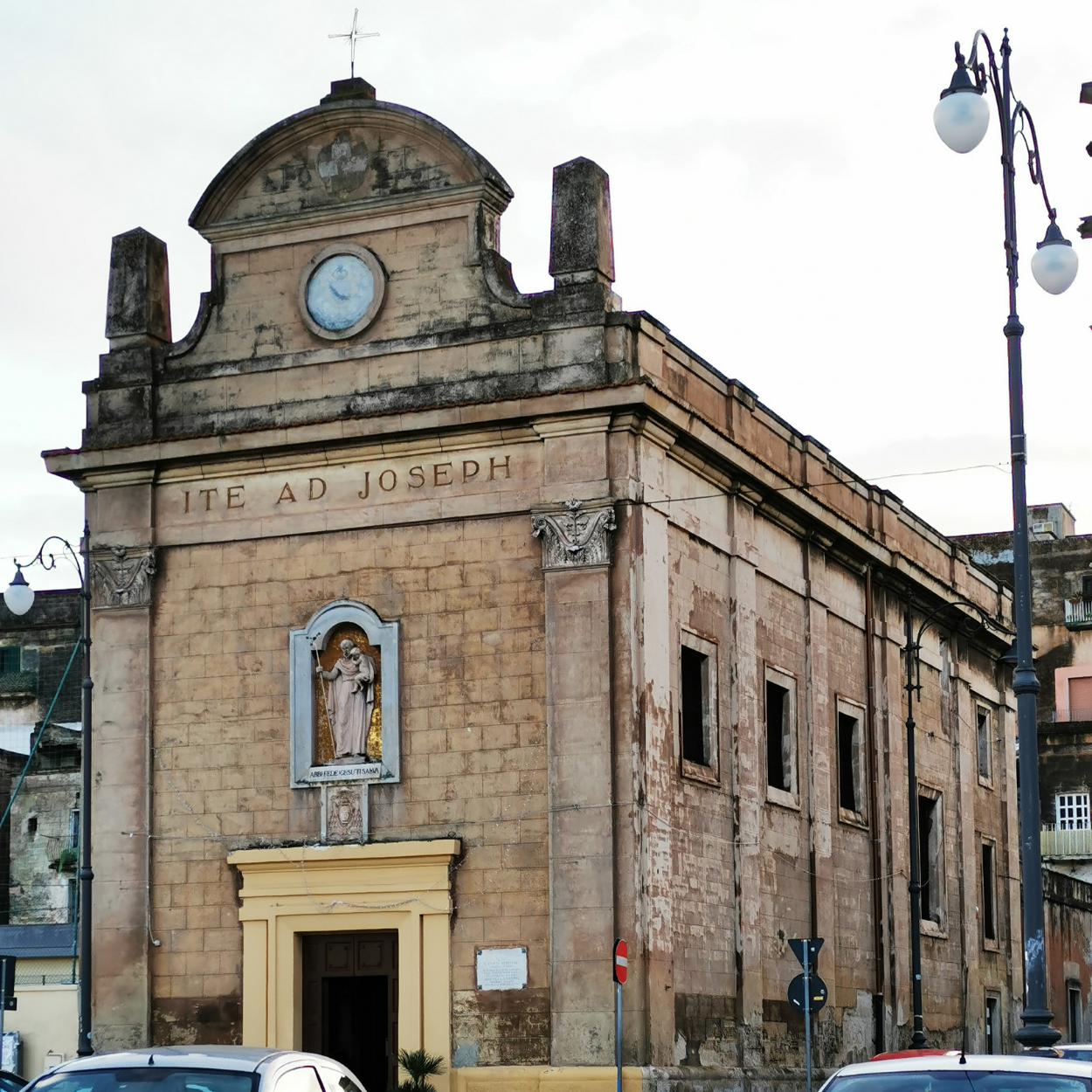
9. Parrocchia San Giuseppe
The old city of Taranto is divided in 4 portions labelled as "pittaggi" which, throughout the centuries, undergone significant urban interventions. The San Giuseppe Church, on our left, is placed in an area defined "Turripenne" and was devoted to San Giuseppe between 1640 and 1641. Over the Fascist regime, it was the only church not to be demolished in this zone during the works of restoration of the old city.
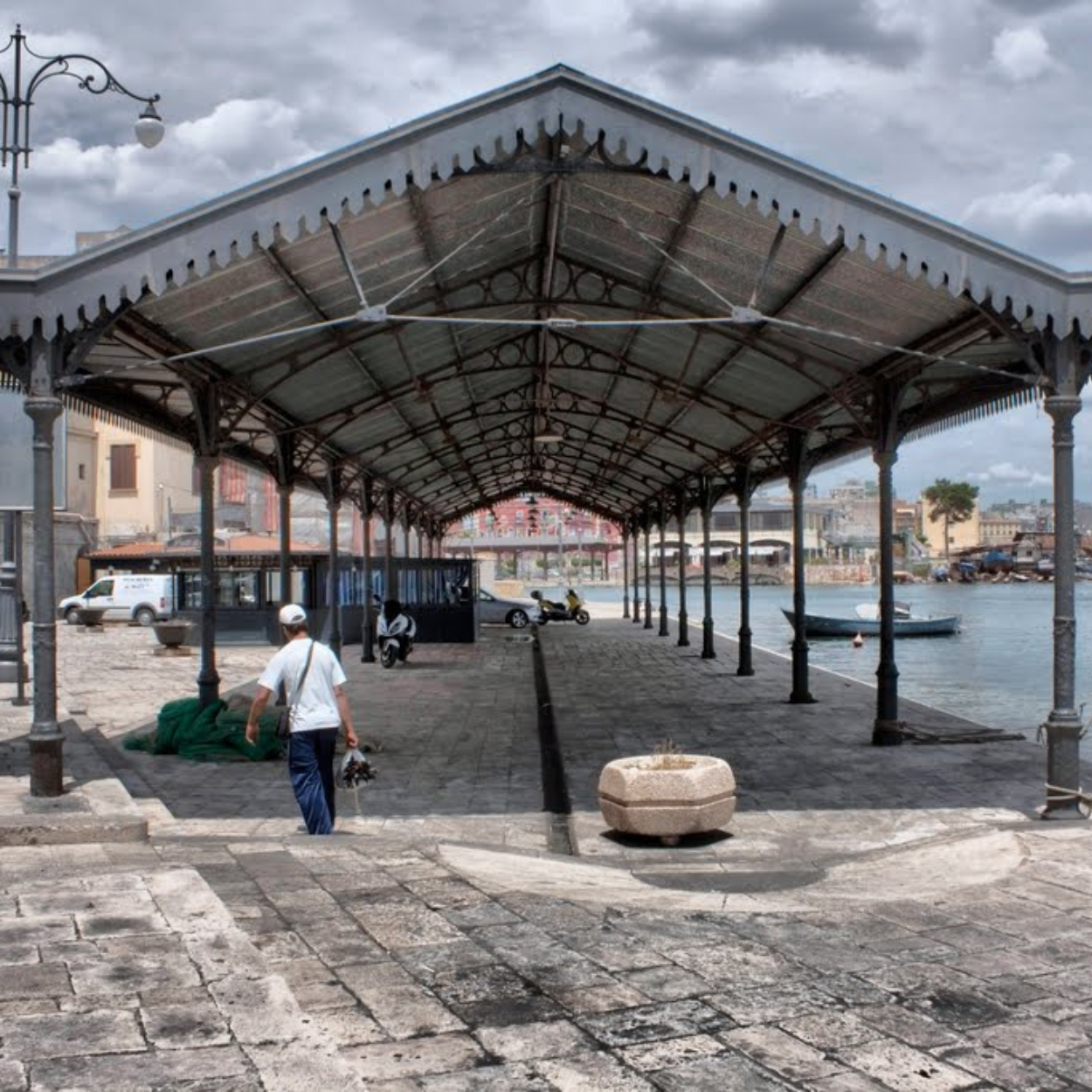
10. Pensilina Liberty
Even in the old city we find references to the Liberty style. The Liberty Canopy of the old city, on our right, is one of the most known postcards of Taranto. It is called in this way because of its unmistakable characteristics which draw inspiration from the architectural simplicity in its purest form. Currently, it is at the center of a revival plan of the entire island, destined to be a center of tourist attraction aimed at promoting the beauty of the old city.
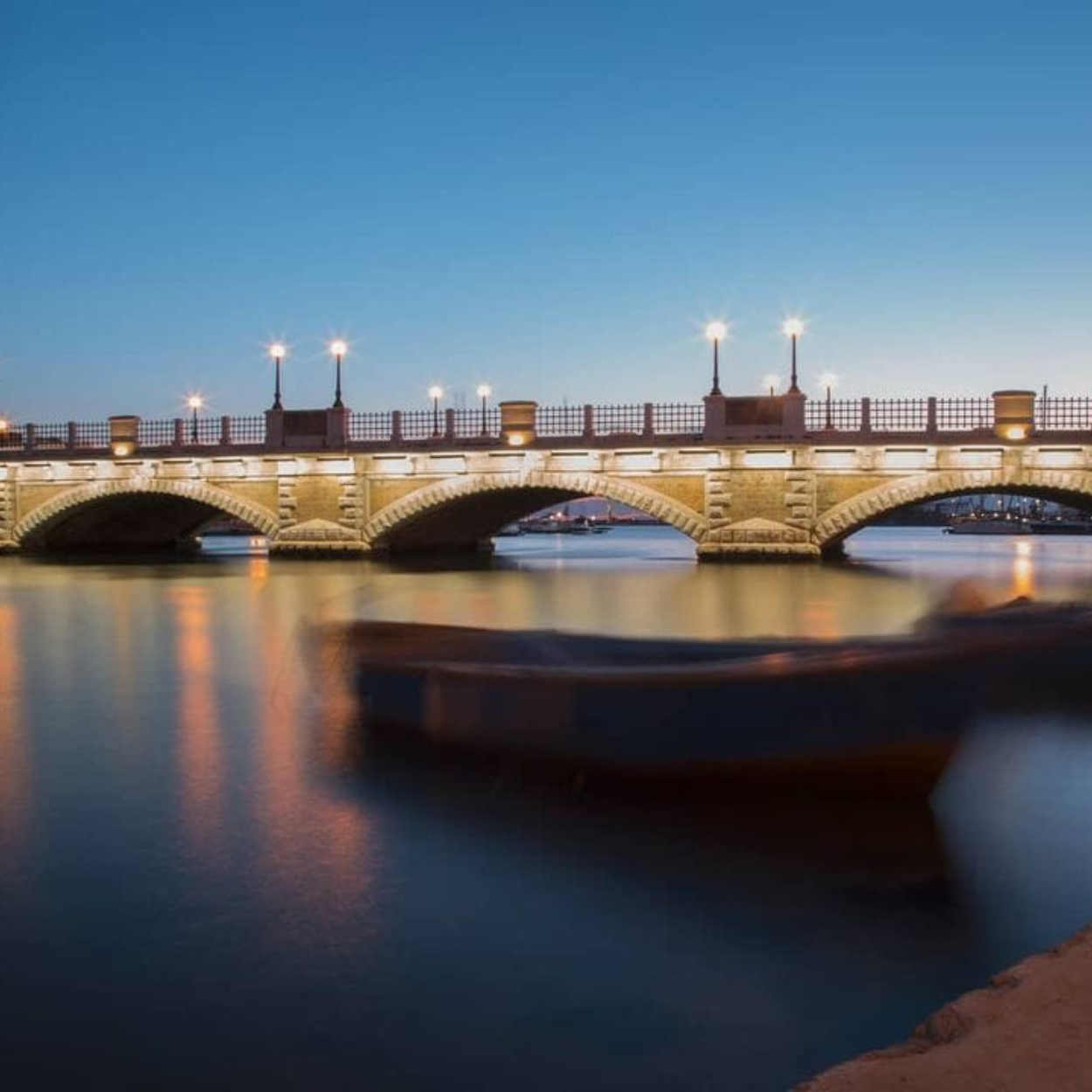
11. Stone Bridge
Right now we are crossing the "Ponte di Porta Napoli" or "Ponte di Pietra" (the Stone Bridge) which connects the old city to the industrial quarter. Its structure is made of stone and it looms the natural waterway to the northwest of the city. It is 115 meters long and 16 meters large, with just three arches. It is dedicated to San Egidio from Taranto. The current bridge was built in 1883 when a flood destroyed the bridge with seven arcades.
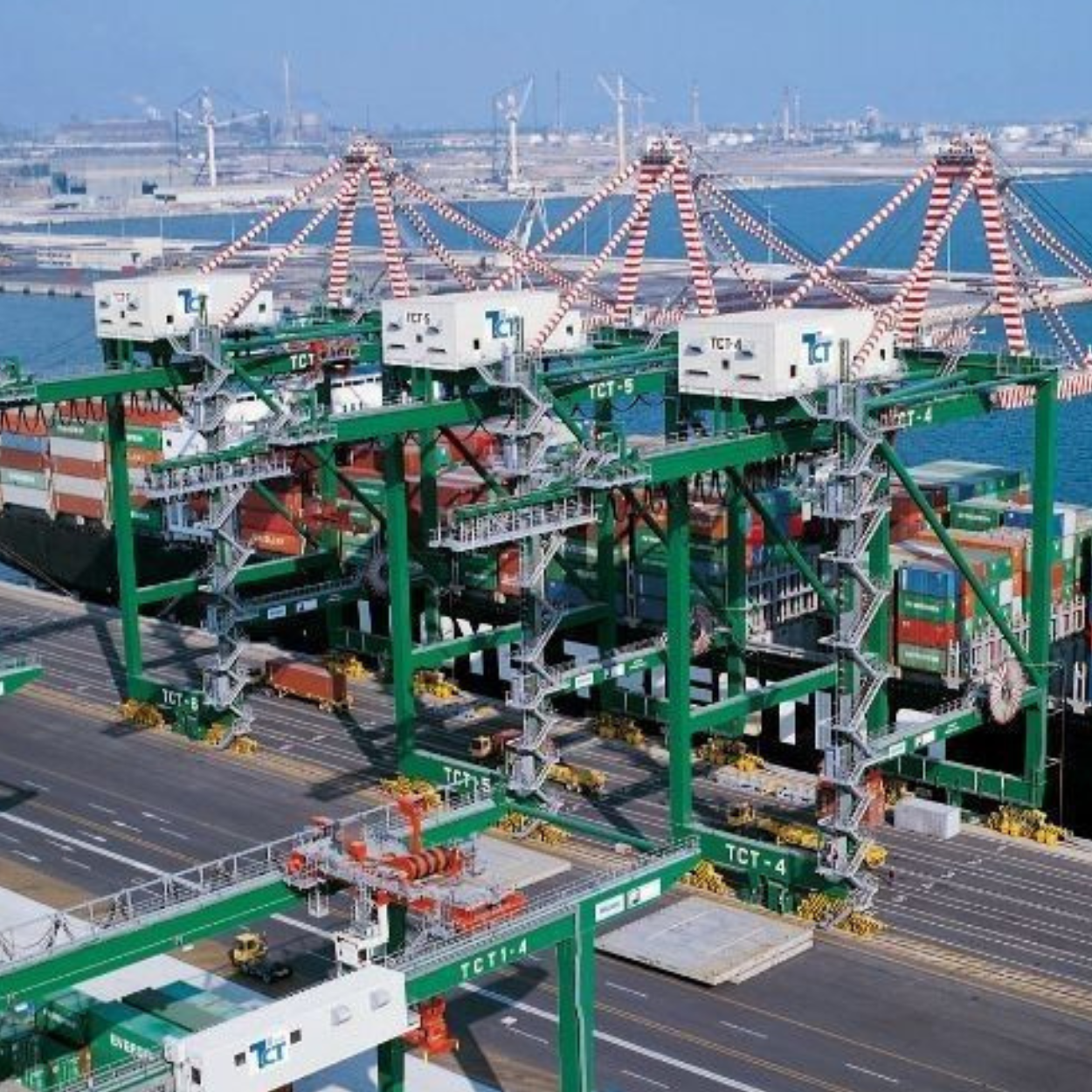
12. Porto Mercantile
On the right there is Taranto's Harbor, among the first in Italy for the freight traffic, that is located on the northern coast of the homonymous gulf and has a fundamental role both from a commercial and strategic point of view. The installations in the mercantile and industrial harbor are distributed both along the northwest sector of the Big Sea and immediately outside of it in the western direction.
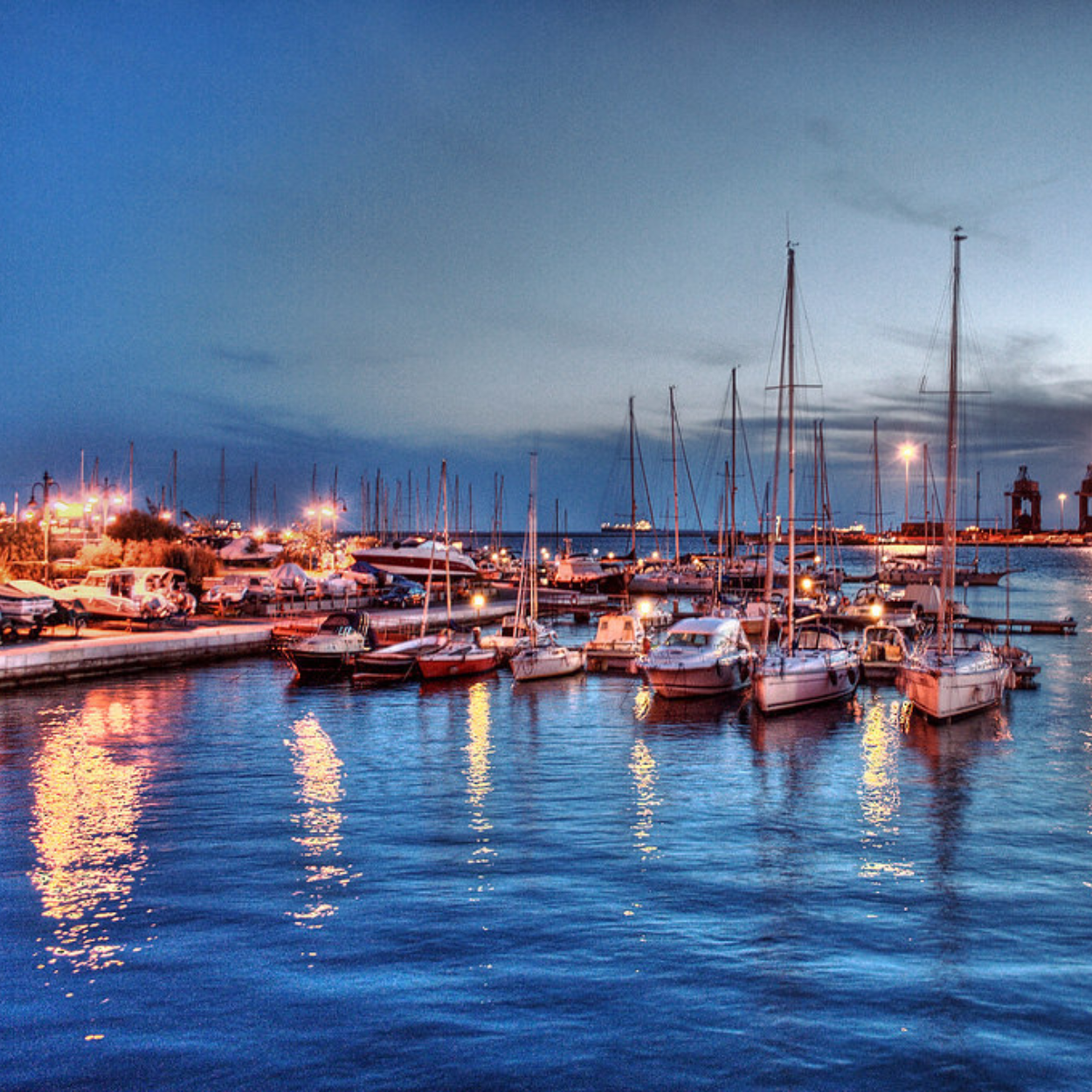
13. Porto Turistico
Taranto has also a tourist port. It is located in the area of the "Molo di Sant'Egidio", the pier of the city, in the Old Village near the Big Sea. The structure counts 254 seats on the ship and has fixed and floating piers, a quay, a slipway, storage yards, parking, and equipped green areas. They provide reception and refreshment services and all the other type of services linked to nautical tourism.
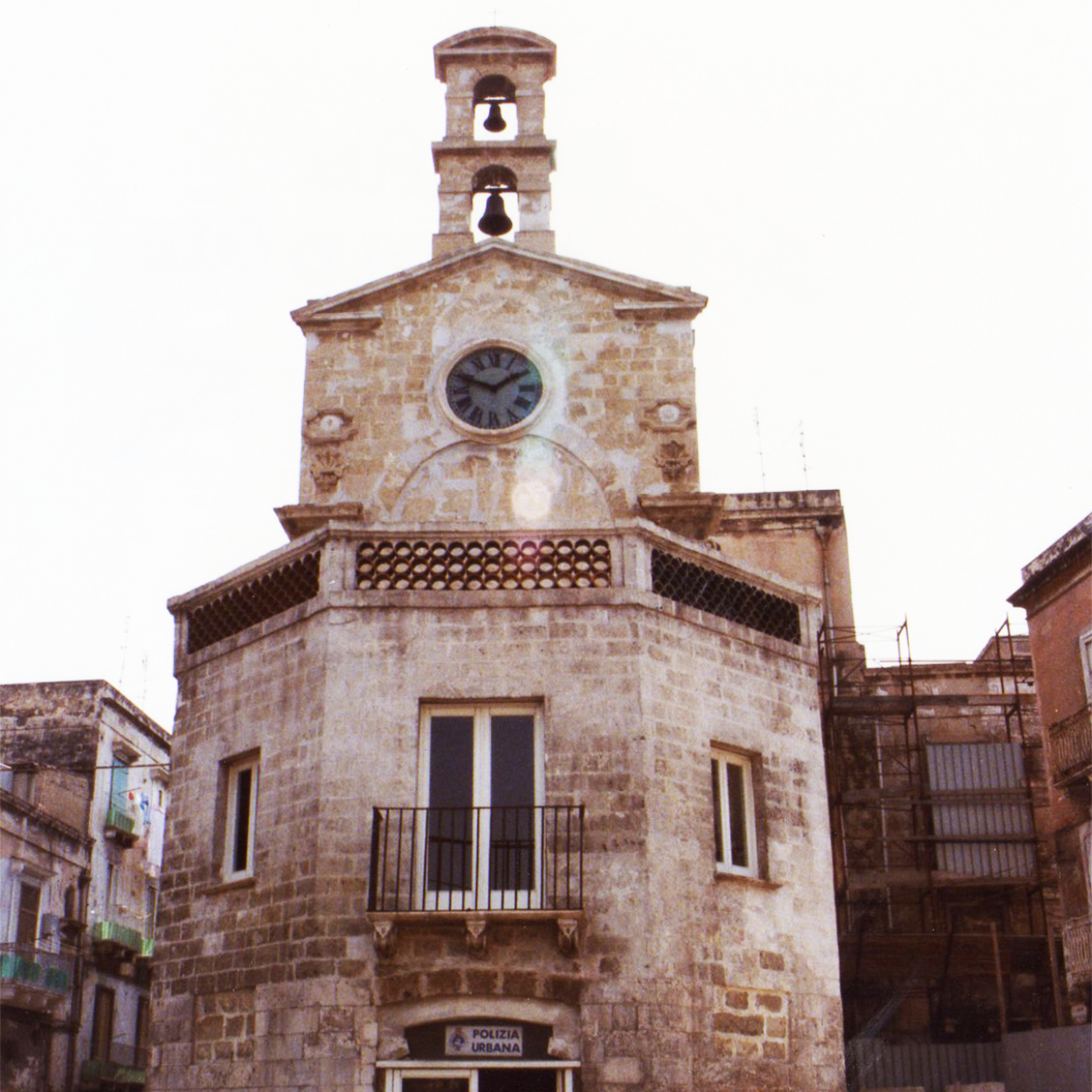
14. Torre dell'Orologio
Ahead of us we can look at the "Torre dell'orologio" a monument of the Old Village of the city. It was built during the second half of the Eighteenth century and it is the only monument that has remained in the so called "Cittadella". The advanced polygonal structure was added in 1799, while the bells were created in 1756 and 1818, respectively the smallest one and the biggest one. The mechanical clock placed on the main façade was built at the end of the Nineteenth century by some Neapolitan artisans.
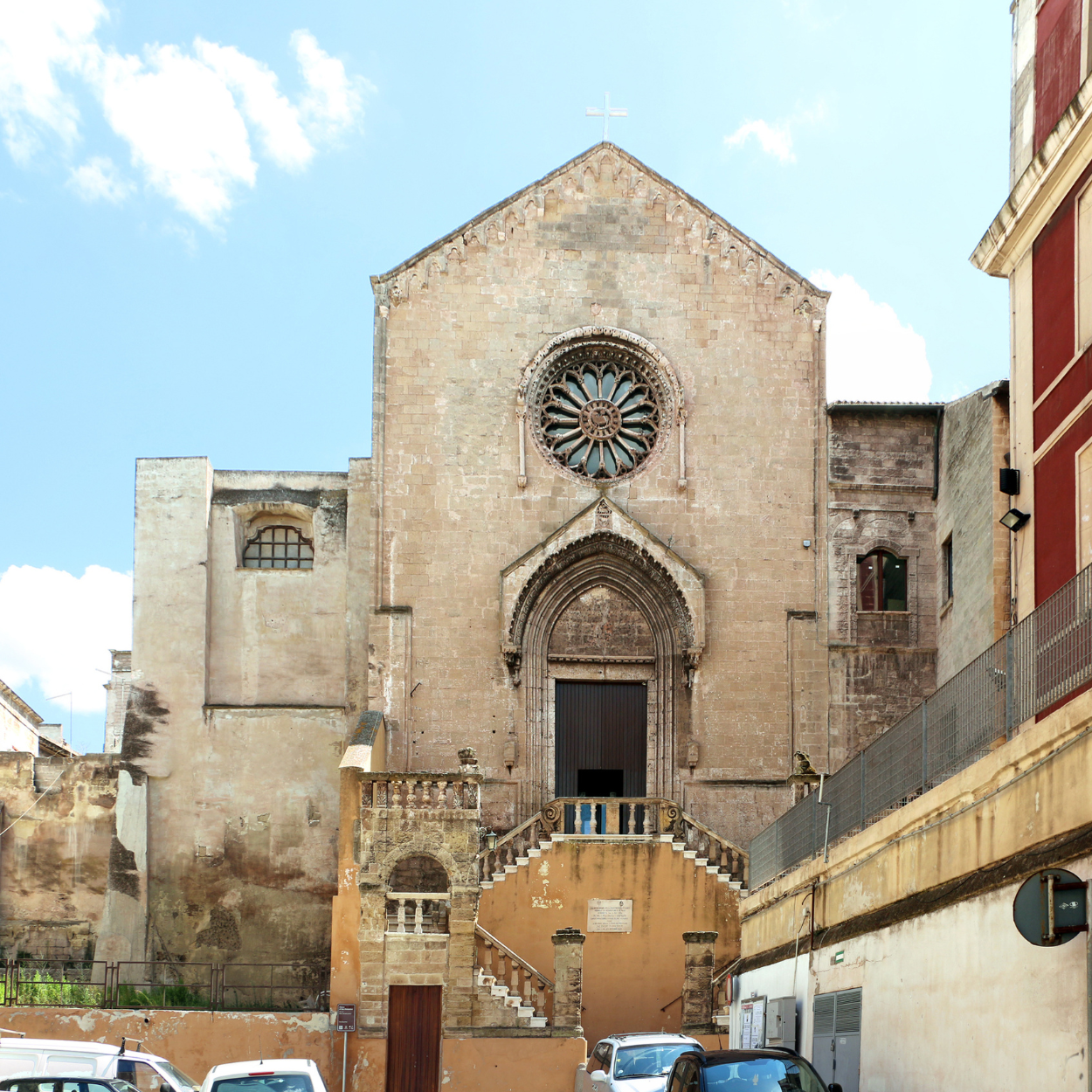
15. San Domenico Maggiore Church
On our left there is the "Chiesa di San Domenico", a church in Gothic-Romanesque style placed in the western area of the historic district, whose construction was completed around 1360. Dominican fathers settled here during the first half of the Fourteenth century, indeed, the date of registration in the archives is 1349. The main entrance is reachable through a stair in baroque style built at the center of the façade at the end of the Eighteenth century. The church has four chapels and a monumental apse where Tommaso de Sarria is buried, archbishop of Taranto from 1665 to 1685.
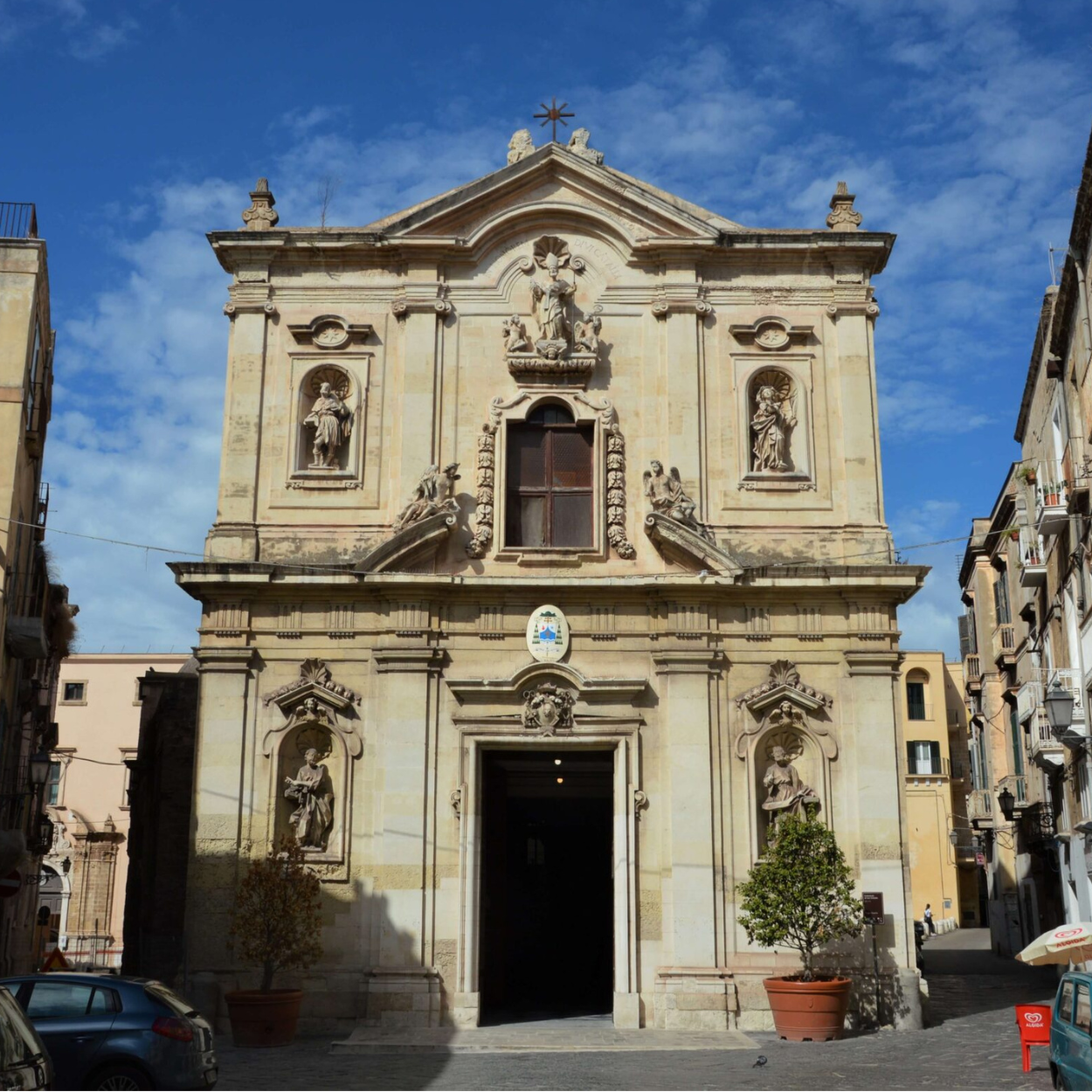
16. Cathedral of San Cataldo
On our right there is the Cathedral of San Cataldo, the most ancient Apulian Cathedral. It was built by the Byzantine in the second half of the Tenth century. The cathedral and its crypt were made with materials coming from other preceding constructions, typically Greek and Roman. The cathedral's main features are the "Cappellone" of San Cataldo, composed of a quadrangular vestibule and an elliptical chapel, and a mosaic floor realized by the mosaicist Petroius in 1160. The "Cappellone" holds eight statues created by Giuseppe Sanmartino, the same sculptor of the Veiled Christ guarded in Naples.
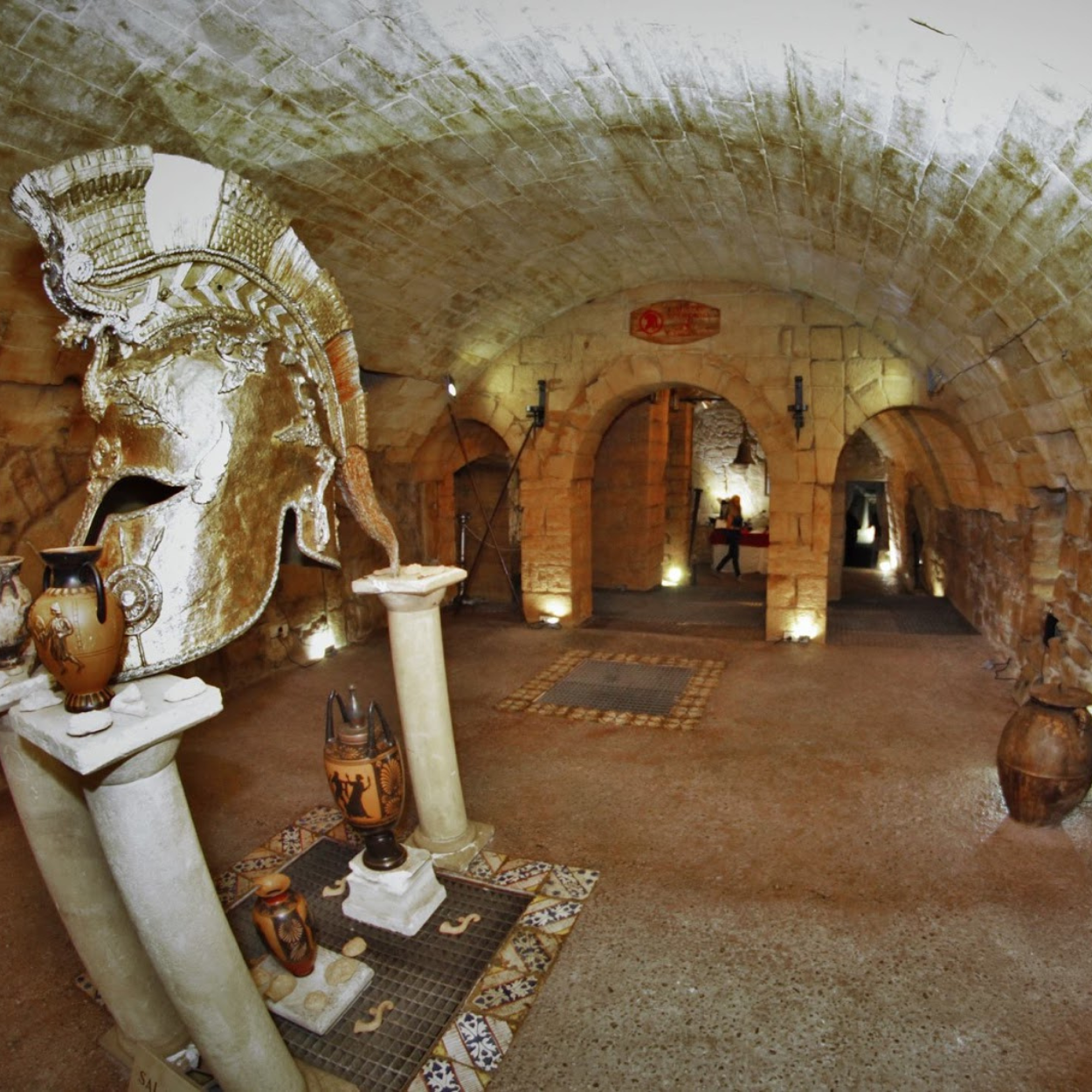
17. Spartan Hypogeum Museum of Taranto
As we travel this road with an extraordinary sea view, on our left we can see important buildings belonging to different ages. The first one is the Spartan Hypogeum Museum of Taranto (MISpa), that is the third most visited historical structure of the city after the Aragonese Castle, and the Archeological Museum (MarTa). The Museum was born as a historical and cultural re-evaluation of the underground structure of the Palazzo de Beaumont Bonelli. The hypogeum originates from a quarry of carparo used by the spartan Greek to build temples and city monuments early as the Eighth century BC.
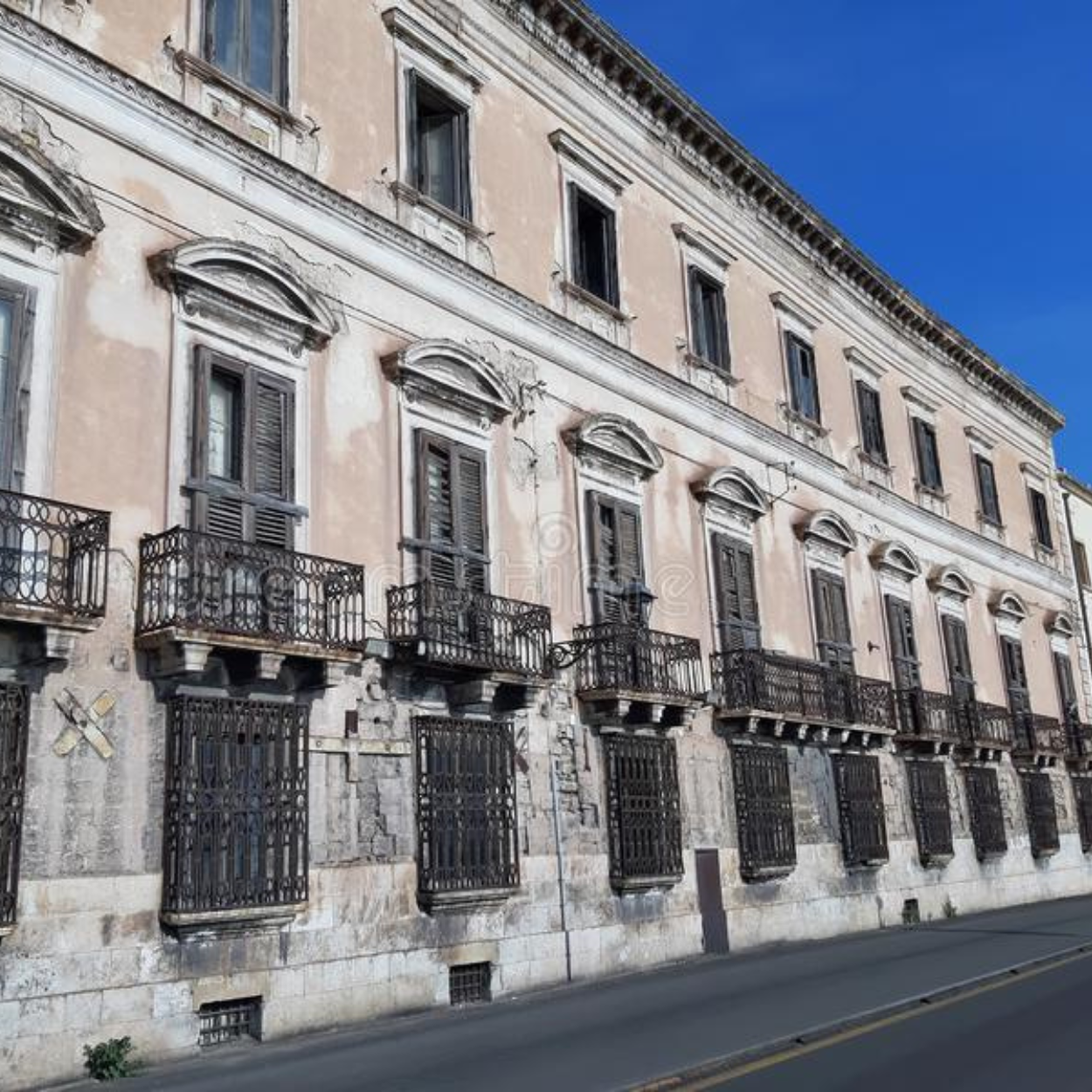
18. D'Ayala Valva Palace
Right after, we find the D'ayala Valva Palace, the most prestigious one in the old city. It was built in the Eighteenth century by don Ignazio Marrese, who used it as its home and as a refined residence to host the ministers of the king, the officers and the subordinates. The Palace overlooks the Big Sea. During the Nineteenth century it was bought by the d'Alaya Valva family, of Spanish origin, who considerably modified it by transforming its eighteenth-century style in a pure Renaissance style. In 1982 it was expropriated by the Municipality in order to make it home to the ethnographic Museum Alfredo Majorano.
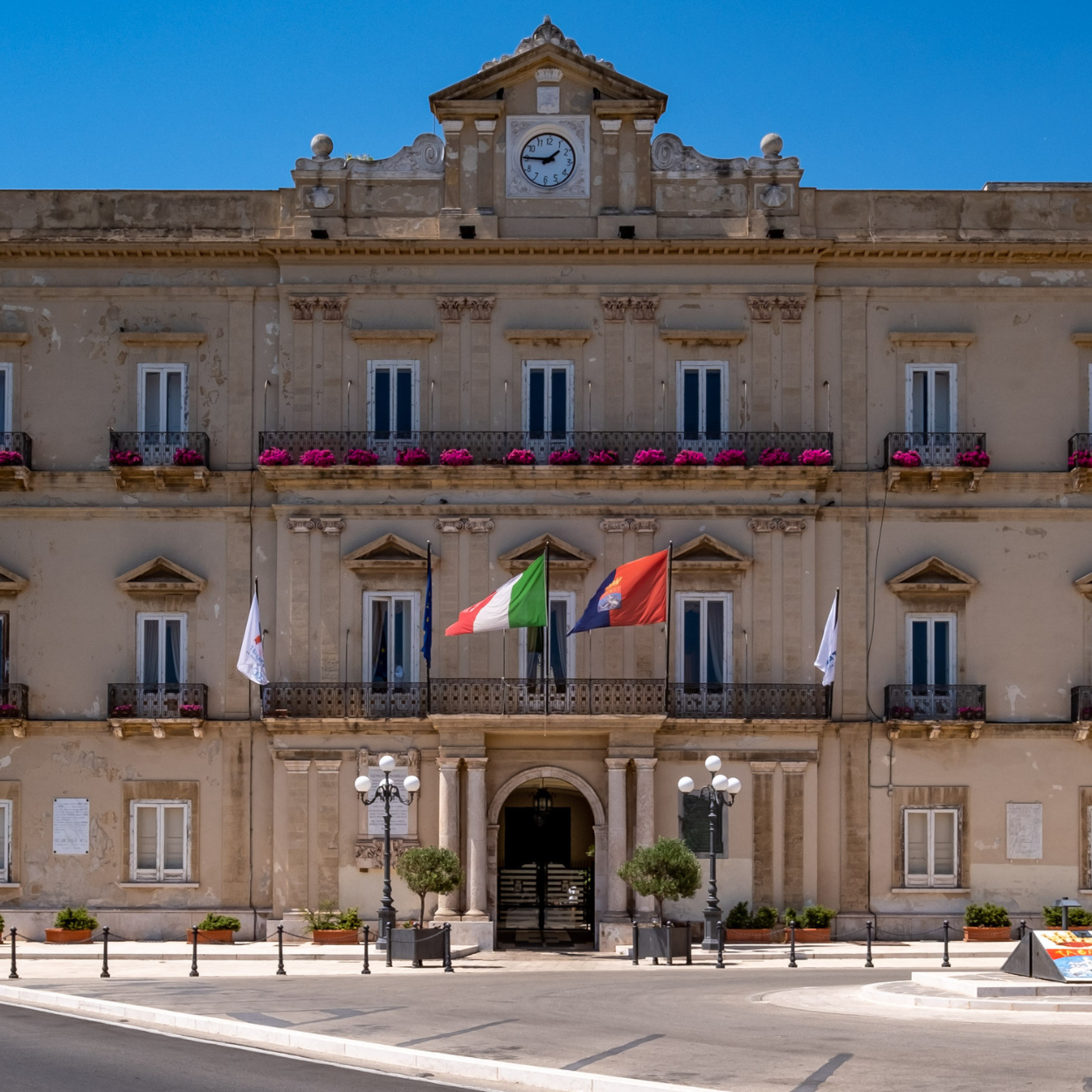
19. Municipality Palace
At the end of the road there is the Municipality Palace, a sixteenth-century building, strengthened with four towers placed at its corners. In 1929 the works for its consolidation were needed which led to the modification of the main façade, that was raised in order to put the clock on it. Other reinforcements and restoration works were also made on the walking surfaces and on the façades in 1979.
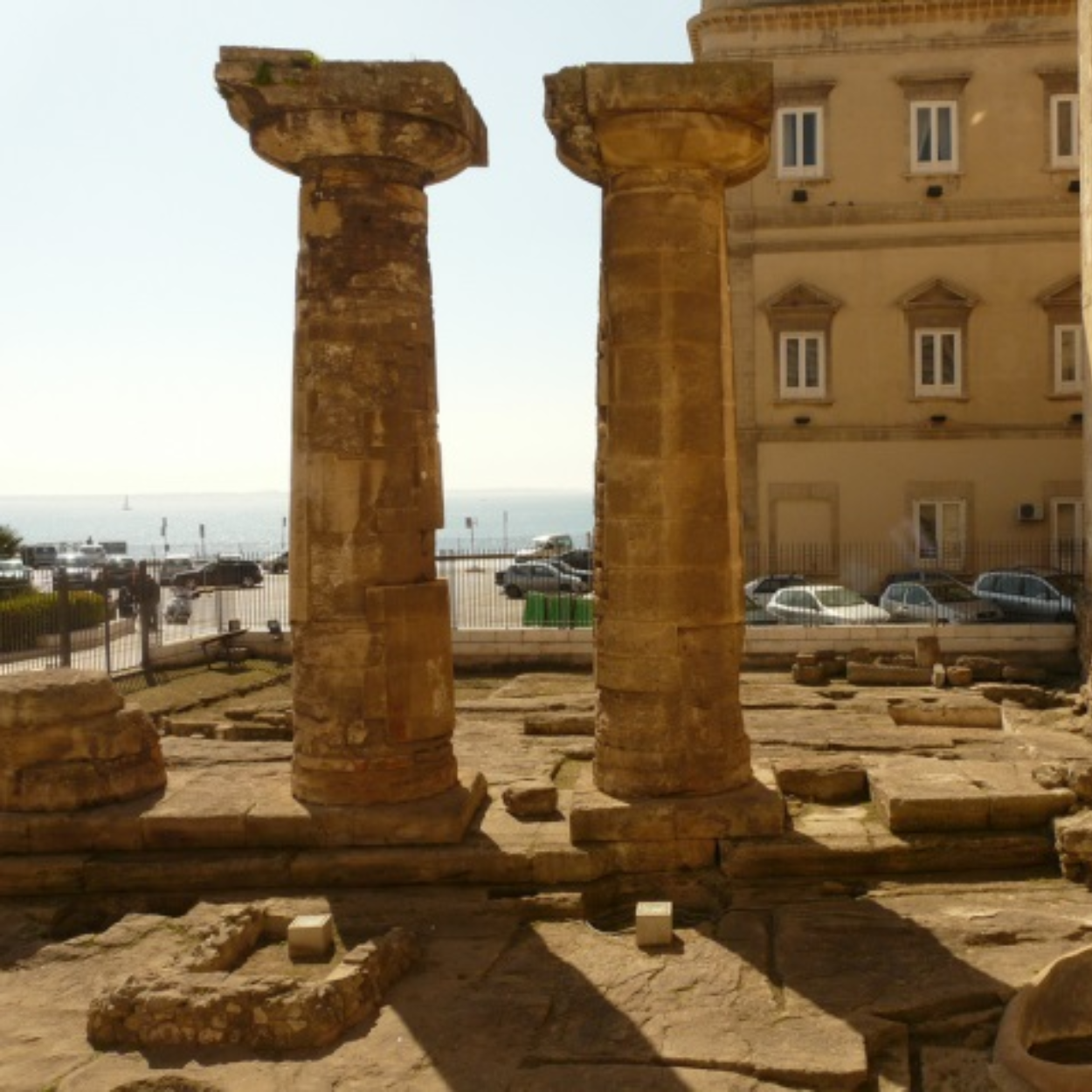
20. Doric Columns
Slightly on the left we find the Doric Columns, solemn and majestic as they are they tell a centuries-old story. The temple dates back to the first quarter of the sixth century BC. They were made of local carparo extracted from the same acropolis and they are 8.47 meters tall each, with a diameter of 2.05 meters and an axle base of 3.72 meters. They are the only evidence that testify the presence of the Poseidon Doric temple.
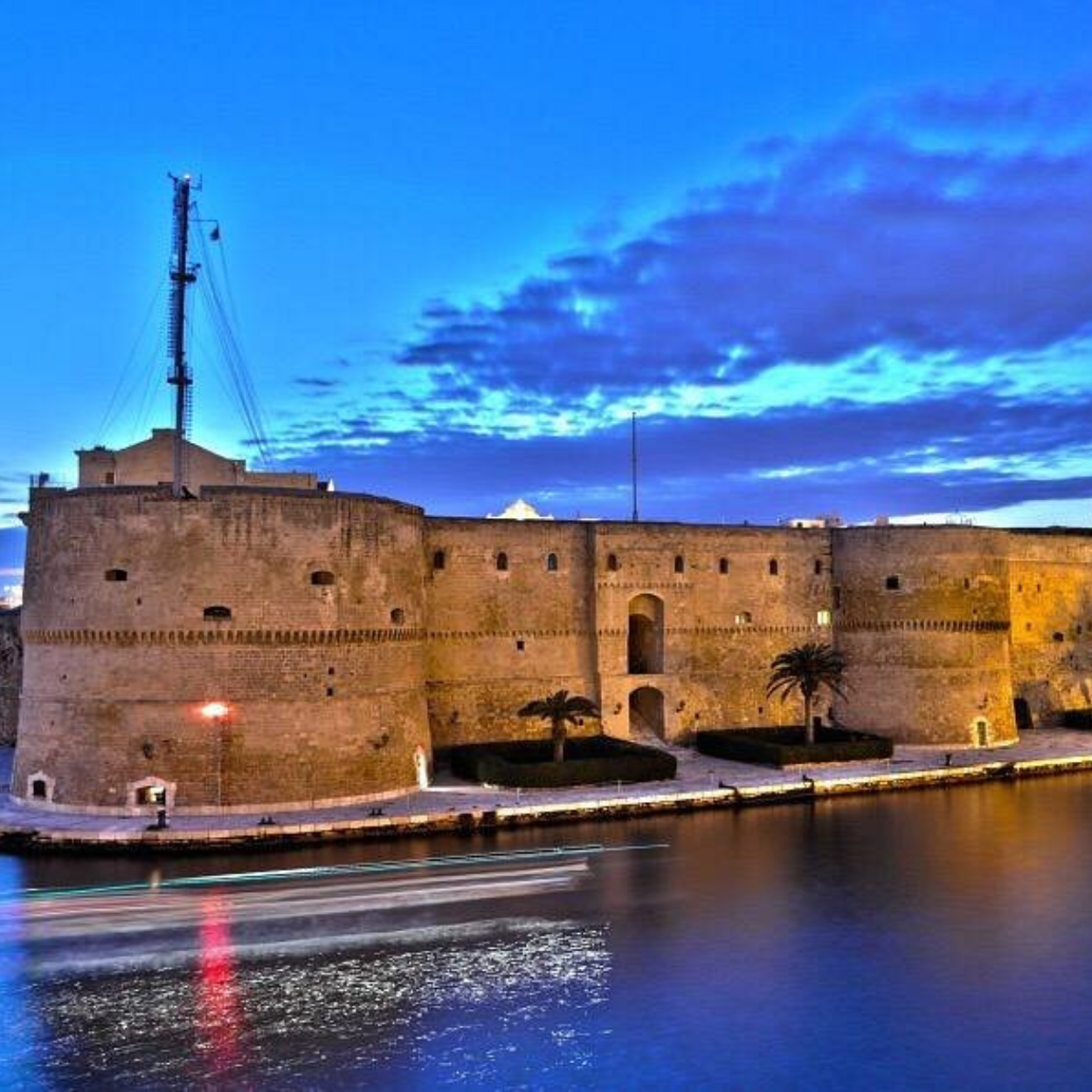
21. Aragonese Castle
On the right we can see the Aragonese Castle, characterized by a quadrangular plan and a wide central courtyard, that covers the extreme corner of the island where the city's Old village is located. The new castle of the Aragonese period was rebuilt between 1487 and 1492, following the new criteria imposed by the artillery's improvement. The reconstruction project commissioned by Naples' king Ferdinand of Aragon was realized through the direct, most likely indirect, intervene of the great Sienese architect Francesco di Giorgio Martini. The cylindrical towers and the internal walkway are its distinctive features. The Renaissance chapel devoted to Saint Leonard is a gem to visit.